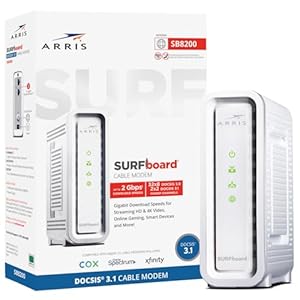
Cox is now Spectrum
Effective September 16, 2026, Cox internet is offered under Spectrum's pricing and packaging: Spectrum Internet® 100, 500 and 1 Gig, with 2 Gig in select markets. Existing Cox customers keep their current service and account until Spectrum notifies them of any change. Prices shown are for new residential customers for 1 year.
Source: Spectrum Product Marketing Guidelines for Digital Partners (August 17, 2026); Cox transition notice, August 20, 2026. Checked September 16, 2026. cox.com/residential/cox-is-now-spectrum.html
INTERNET OFFER: Limited-time offer; subject to change; new residential customers only (no Spectrum service in past 30 days). Standard rates apply after promo period or service change. Actual speeds (including wireless) vary and are not guaranteed. Activation fee additional; taxes may apply. Gig speeds require a compatible modem; see Spectrum.net/modem for list. Terms and conditions apply, subject to change. Not available in all areas. Restrictions apply. Spectrum Internet® is powered by fiber and connected to the premises by coaxial lines.
Internet access doesn't have to break the bank. Several providers offer legitimate broadband plans for under $30 per month—some as low as $20. These aren't promotional gimmicks that double after a year; many are everyday prices with no contracts and no hidden fees.
Whether you're on a tight budget, a student, a senior, or simply don't need gigabit speeds, here are the most affordable internet plans available in 2026.
Best Internet Plans Under $30/Month
This guide covers everything you need to know about cheapest internet plans. We compare available options based on speed, price, reliability, and coverage using data from FCC filings and independent speed tests. Topics include most affordable internet and low cost internet. Updated for 2026 with the latest plans and pricing.
Ziply Fiber — $20/Month (Fiber 50/50)
Ziply Fiber offers the best value in budget internet: 50 Mbps symmetrical (upload and download) fiber internet for just $20/month. This is a permanent everyday price, not a promotional rate.
- Speed: 50 Mbps download / 50 Mbps upload
- Price: $20/month, no price increases
- Contract: None
- Data cap: None
- Equipment: Router included at no charge
- Availability: Washington, Oregon, Idaho, Montana
50 Mbps is sufficient for 1–3 people for streaming, video calls, browsing, and light gaming. The symmetrical upload speed is a notable advantage—most cable plans at this price offer only 5–10 Mbps upload.
Astound Broadband — $25/Month (Internet 300)
Astound Broadband (formerly RCN, Grande, and Wave) offers 300 Mbps for $25/month in select markets. This is one of the best speed-to-price ratios available at any price point.
- Speed: 300 Mbps download
- Price: $25/month for 12 months
- Contract: None required
- Data cap: None
- Availability: Select areas in TX, IL, PA, NY, DC, MA, OR, WA, and CA
The caveat is that this is a promotional price. After 12 months, the rate increases. However, Astound is known for being willing to negotiate renewal rates if you call before the promo expires.
Midco — $30/Month (Internet 100)
Midco provides 100 Mbps internet for $30/month across parts of the upper Midwest. Midco consistently ranks among the highest-rated ISPs for customer satisfaction.
- Speed: 100 Mbps download
- Price: $30/month
- Contract: None
- Data cap: None
- Availability: Minnesota, North Dakota, South Dakota, Wisconsin, Kansas
Midco's pricing is straightforward and doesn't rely on promotional rates that expire. What you see is what you pay.
Xfinity — $30/Month (Connect More, 200 Mbps)
Xfinity's Connect More plan offers 200 Mbps for $30/month. As the largest cable ISP, Xfinity is available in more locations than most competitors on this list.
- Speed: 200 Mbps download
- Price: $30/month for 24 months (with 1-year agreement)
- Data cap: 1.2 TB (enough for most households; unlimited available for an additional fee)
- Equipment: $15/month for xFi Gateway rental, or use your own modem/router
- Availability: 40+ states
Important: Xfinity's $30 price requires a 1-year agreement and the price increases after 24 months. The $15/month equipment rental also pushes the effective cost to $45 unless you buy your own modem and router. Factor in these costs when comparing.
Spectrum — $30/Month (Spectrum Internet, 300 Mbps)
Spectrum offers 300 Mbps for $30/month for the first 12 months. After the promotional period, the price rises to the standard rate. However, unlike Xfinity, Spectrum has no data caps and no contracts.
- Speed: 300 Mbps download
- Price: $30/month for 12 months (then increases)
- Contract: None
- Data cap: None
- Equipment: WiFi router included at no extra charge
- Availability: 41 states
Low-Income Internet Programs
If you qualify based on income or participation in government assistance programs, several discounted or free internet options are available.
The Lifeline Program
Lifeline is a federal program that provides a $9.25/month discount on internet service for qualifying low-income households. Eligibility is based on income (at or below 135% of the Federal Poverty Guidelines) or participation in programs like Medicaid, SNAP, SSI, or Federal Public Housing Assistance.
Lifeline can be combined with provider-specific low-income plans to reduce costs even further. Apply at lifelinesupport.org.
Provider-Specific Low-Income Programs
Many major ISPs offer discounted plans for qualifying customers:
- Xfinity Internet Essentials: 50 Mbps for $9.95/month (eligible families with children on free/reduced school lunch, seniors on SSI, etc.)
- AT&T Access: Plans starting at $10/month for SNAP/SSI participants in AT&T service areas
A Note on the ACP (Affordable Connectivity Program)
The Affordable Connectivity Program, which provided a $30/month internet subsidy to eligible households, ended in June 2024 when Congress did not renew its funding. As of 2026, there is no direct federal replacement, though the Lifeline program continues. Some states have launched their own broadband affordability programs—check with your state's broadband office for current offerings.
How to Avoid Hidden Fees
The advertised price of an internet plan often doesn't tell the whole story. Watch out for these common additions:
Equipment Rental Fees
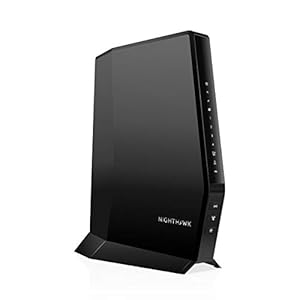
Many ISPs charge $10–15/month to rent a modem and/or router. Over a year, that's $120–180 in additional costs. Buying your own modem ($60–100) and router ($50–150) typically pays for itself within 6–12 months. Check your provider's approved device list before purchasing.
Installation Fees
Professional installation can cost $50–100. Self-installation kits are usually free and straightforward—choose self-install whenever possible.
Price Increases After Promotional Periods
Many budget-friendly plans are promotional prices that increase after 12–24 months. Always check what the standard rate will be. When your promo expires, call your provider to negotiate—they'll often extend promotional pricing or offer a new deal rather than lose a customer.
Data Overage Charges
Some providers (notably Xfinity and Cox) impose data caps, charging $10 per additional 50 GB if you exceed your allotment. If you stream frequently, look for plans with no data caps or pay for unlimited data upfront if it's cheaper than potential overages.
How Much Speed Do You Actually Need?
Many people overpay for internet speed they don't need. Here's a realistic guide:
- 1–2 people, basic browsing and streaming: 25–50 Mbps is sufficient
- 2–4 people, multiple streams and video calls: 100–200 Mbps handles this comfortably
- 4+ people or heavy usage (gaming, 4K streaming on multiple TVs): 300+ Mbps
- Working from home with large file transfers: Focus on upload speed (25+ Mbps) as much as download
For more options, explore our cheapest internet providers and best cheap internet plans guides.
Frequently Asked Questions
What is the cheapest internet available?
The cheapest widely available broadband plan is Ziply Fiber at $20/month for 50 Mbps. The absolute cheapest option depends on your location and eligibility for assistance programs.
Can I get internet for free?
Free internet is available in limited circumstances. Some low-income programs combined with Lifeline subsidies can reduce costs to $0.
Many libraries, community centers, and public spaces offer free WiFi. Some cities also have limited municipal WiFi networks. However, there is no broadly available free home internet service.
Is cheap internet fast enough for streaming?
Yes. Netflix recommends 5 Mbps for HD streaming and 25 Mbps for 4K. Even the most affordable plans on this list (25–50 Mbps) can handle HD streaming on multiple devices simultaneously. 4K streaming on multiple TVs at once would benefit from a 100+ Mbps plan.
Do cheap internet plans have data caps?
Some do and some don't. Ziply Fiber, Midco, and Spectrum do not impose data caps.
Xfinity has a 1.2 TB cap on most plans. Always check the specific plan details. For typical household usage (browsing, streaming, video calls), 1.2 TB is enough for most people—but heavy users or large households can exceed it.
Should I bundle internet with TV to save money?
Not usually. Bundling was a good deal a decade ago, but today, standalone internet plus a streaming service (Netflix, YouTube TV, Hulu) is almost always cheaper than a cable TV bundle. Providers often advertise low bundle prices that increase significantly after the promotional period.
How do I negotiate a lower internet bill?
Call your provider's retention department (not general customer service) and mention you're considering switching to a competitor. Have a competitor's offer ready to reference.
Be polite but firm. Most providers would rather give you a discount than lose you as a customer. Timing matters: call when your promotional rate is about to expire for the best leverage.
The True Cheapest Internet Plans in 2026 (Verified Pricing)
Advertised prices often hide the real monthly cost. Here are the actual cheapest internet plans available nationwide, including all mandatory fees:
- T-Mobile 5G Home Internet — $50/month all-in: No taxes, no fees, no data cap, no contract, no equipment rental. The $50 price includes everything. Available in areas with sufficient T-Mobile 5G/LTE capacity. Typical speeds: 72-245 Mbps.
- AT&T Internet Air — $55/month with autopay: No data cap, no contract, self-install. Fixed wireless service with typical speeds of 50-200 Mbps. Without autopay, price is $60/month. Only available at qualifying addresses.
- Verizon LTE Home Internet — $40-$60/month: Available in rural areas where Fios is not offered. Pricing depends on whether you have a Verizon wireless plan. With an eligible Verizon phone plan, price drops to $25-$40/month.
- Xfinity Connect — $25/month: 75 Mbps, available to income-eligible households. The most affordable wired option for those who qualify through ACP successor programs or income verification.
Hidden Costs That Inflate Your Internet Bill
The monthly price is just one component of your actual internet cost. Here are the hidden charges to watch for:
- Equipment rental ($10-$15/month): Most cable providers charge a monthly fee for their modem and router. Over two years, that adds $240-$360 to your total cost. Buying a compatible modem ($60-$100) and router ($50-$80) pays for itself in 6-10 months. Check your provider's approved device list before purchasing.
- Broadcast TV fee ($15-$25/month): Only applies if you bundle TV service, but many "bundle deals" include this fee that is not part of the advertised price. If you do not actually need TV, a standalone internet plan is almost always cheaper than a bundle.
- Professional installation ($75-$150): Many providers offer free self-installation kits. Unless you have a complex setup (no existing cable outlet, need new wiring), self-install takes 15-30 minutes and saves the installation fee.
- Price increase after promotional period: Most cable providers increase prices $20-$40/month after the 12-month promotional period. Factor the post-promotional price into your annual cost calculation. A plan that costs $50/month for 12 months and then $80/month for the next 12 months averages $65/month over two years.
- Late payment fees ($10-$25): Set up autopay to avoid these entirely. Most providers also offer a discount ($5-$10/month) for autopay enrollment.
Low-Income Internet Programs That Save Real Money
Several programs exist to help low-income households afford internet service:
- Xfinity Internet Essentials ($9.95/month): 50 Mbps, available to households that qualify based on income or participation in government assistance programs. Includes a low-cost computer option.
- AT&T Access ($30/month for 100 Mbps): Available to households participating in SNAP, SSI, or with income at or below 200% of the federal poverty guideline. In fiber areas, this provides 100 Mbps symmetrical speeds — an exceptional value.
- State broadband programs: Many states launched their own broadband assistance programs after the federal ACP ended. California, New York, New Jersey, and several other states offer monthly subsidies or reduced-rate plans. Check your state's broadband office website for current programs.
For personalized recommendations based on your budget and address, use our address lookup tool to see all available plans ranked by price.
Frequently Asked Questions
- What should I know about Cheapest Internet Plans Under 0/Month 2026?
- Key factors include pricing, speed requirements for your household, contract terms, and availability at your address. Our guide covers the essential considerations to help you make an informed decision.
- How do I choose the right internet plan?
- Consider your household size, usage patterns (streaming, gaming, remote work), and budget. Generally, 100 Mbps works for 2-3 users, 300 Mbps for 4-5, and gigabit for power users or large households.
- Are internet prices going up in 2026?
- Internet pricing trends vary by provider and region. Some providers have raised base prices, while competition has driven promotional rates lower in many markets. Compare current offers to find the best value.
Sources & Methodology
This article uses data from FCC Broadband Data Collection reports, U.S. Census Bureau demographics, and verified provider pricing and plan information. Pricing, speeds, and availability are verified against provider broadband nutrition labels and may vary by location. For a detailed explanation of our data collection and scoring process, see our methodology page.
Data Sources
- FCC Broadband Data Collection
- U.S. Census Bureau American Community Survey
- USAC Universal Service Fund
- NTIA Internet Use Survey
Last verified: March 2026. InternetProviders.ai is an independent resource. We may earn commissions from partner links — this does not affect our editorial recommendations. See our methodology for details.