Quick Answer: Cox vs Xfinity
Xfinity wins our 2026 head-to-head comparison with a 4.1/5 rating vs Cox''s 3.8/5. Cox leads on speed (up to 2 Gbps), while Xfinity offers the lower starting price ($30/mo).
Learn more about Xfinity review and see what they offer in your area.
Cox vs Xfinity: Side-by-Side (2026)
Cox Communications is a regional cable and fiber internet provider serving 18 states, offering speeds up to 2 Gbps with Panoramic Wi-Fi equipment.
Use our compare all internet providers tool to see how top ISPs stack up side by side.
Xfinity, the consumer brand of Comcast, is the largest cable internet provider in the U.S., offering speeds up to 2 Gbps across 40 states with optional TV and phone bundles.
| Feature | Cox | Xfinity |
|---|---|---|
| Max Download Speed | 2 Gbps | 2 Gbps |
| Max Upload Speed | 1 Gbps | 200 Mbps |
| Starting Price | $50/mo | $30/mo |
| Technology | Cable (DOCSIS 3.1), Fiber | Cable (DOCSIS 3.1), Fiber |
| Data Caps | Yes | Yes |
| Annual Contracts | No | No |
| States Served | 18 | 40 |
| Editorial Rating | 3.8/5 (1,423 reviews) | 4.1/5 (3,215 reviews) |
Speed: Cox (2 Gbps) vs Xfinity (2 Gbps)
Cox wins on speed. Cox tops out at 2 Gbps download / 1 Gbps upload. Xfinity reaches 2 Gbps download / 200 Mbps upload.
Cox plan tiers: Go Fast (100 Mbps), Internet 250 (250 Mbps), Internet 500 (500 Mbps), Gigablast (1 Gbps), Internet 2 Gig (2 Gbps).
Xfinity plan tiers: Connect (75 Mbps), Connect More (200 Mbps), Fast (400 Mbps), Superfast (800 Mbps), Gigabit (1 Gbps), Gigabit Extra (2 Gbps).
Advertised speeds are theoretical maximums. Real-world throughput depends on network congestion, equipment quality, and infrastructure distance. Check FCC Broadband Facts labels for each plan before signing up.
Pricing: Cox vs Xfinity Plans & Costs
Xfinity starts at $30/mo — $20 less per month than Cox ($50/mo). Over a year, that saves you $240. However, base prices often reflect different speed tiers, so compare what you actually get at each price point.
| Provider | Plan | Speed | Price |
|---|---|---|---|
| Cox | Go Fast | 100 Mbps | $50/mo |
| Cox | Internet 250 | 250 Mbps | $70/mo |
| Cox | Internet 500 | 500 Mbps | $90/mo |
| Cox | Gigablast | 1 Gbps | $110/mo |
| Cox | Internet 2 Gig | 2 Gbps | $150/mo |
| Xfinity | Connect | 75 Mbps | $30/mo |
| Xfinity | Connect More | 200 Mbps | $55/mo |
| Xfinity | Fast | 400 Mbps | $70/mo |
| Xfinity | Superfast | 800 Mbps | $80/mo |
| Xfinity | Gigabit | 1 Gbps | $100/mo |
| Xfinity | Gigabit Extra | 2 Gbps | $120/mo |
Both providers enforce data caps — check each plan for specific limits and overage policies.
Technology: Cable (DOCSIS 3.1), Fiber vs Cable (DOCSIS 3.1), Fiber
Cox delivers internet via Cable (DOCSIS 3.1), Fiber infrastructure. Xfinity uses Cable (DOCSIS 3.1), Fiber technology. The difference in underlying technology directly impacts speed consistency, upload performance, and latency.
Cox offers both fiber and DSL service depending on your address. If fiber is available, you get speeds up to 2 Gbps with symmetric uploads. DSL service is slower but reaches more addresses. Check your specific address — the experience varies dramatically between Cox fiber and DSL.
Availability: Where Can You Get Each Provider?
Cox (regional coverage) serves customers in 18 U.S. states. Xfinity (national coverage) is available in 40 states. Service area within a state varies by address — always verify availability at your specific location before ordering.
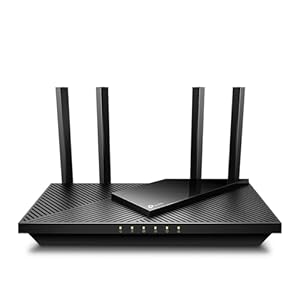
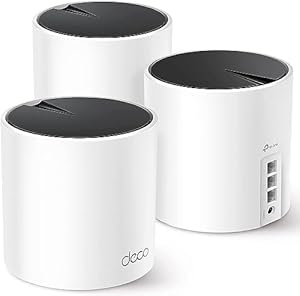
Cox standout features: Panoramic Wi-Fi, Cox Mobile, Smart home integration.
Xfinity standout features: xFi Gateway router, Peacock included, Xfinity Flex streaming.
Installation & Customer Service
Cox: Professional installation $75 (waived on select plans). Self-install available for existing Cox locations. Panoramic Wi-Fi gateway rental $14/mo. Fiber installation available in select areas with free professional setup.
View the latest Cox plans and pricing to find the best deal for your household.
View the latest Xfinity plans and pricing to find the best deal for your household.
Xfinity: Self-install kit available (free, arrives in 3-5 days). Professional installation $100 or free with select plans. xFi Gateway rental $14/mo or use your own DOCSIS 3.1 modem.
Cox support: Mon-Fri 8AM-8PM, Sat 9AM-6PM local time; 24/7 technical support; Cox app for billing & service management
Xfinity support: 24/7 customer support by phone and chat; Xfinity stores open Mon-Sat 10AM-8PM, Sun 12-5PM; Xfinity app for self-service
Our Verdict: Cox vs Xfinity (2026)
Choose Cox if: it is available at your address and fits your budget. Cox scores 3.8/5 in our editorial review based on 1,423 data points.
Learn more about Cox review and see what they offer in your area.
Choose Xfinity if: budget is your priority (starts at $30/mo); you need broad availability (40 states). Xfinity scores 4.1/5 based on 3,215 data points.
Overall pick: Xfinity earns our 2026 recommendation with a 4.1/5 rating. Speed goes to Cox, and Xfinity wins on starting price. Check availability at your address — the best provider is the one that actually serves your home.
Check Availability in Your Area
Availability varies by address. Use our tools to find which providers serve your location:
Frequently Asked Questions
Is Cox or Xfinity better for gaming?
Both Cox and Xfinity support online gaming. Cox offers speeds up to 2 Gbps and Xfinity up to 2 Gbps. For competitive gaming, latency matters more than raw speed — test both if available in your area.
Which is cheaper, Cox or Xfinity?
Xfinity starts at $30/mo vs Cox at $50/mo. But compare what you get at each price: Cox''s base plan (Go Fast) includes 100 Mbps for $50/mo. Xfinity''s base plan (Connect) includes 75 Mbps for $30/mo. Factor in equipment fees and any promotional expiration dates.
Which provider is better for streaming?
Both providers enforce data caps, so heavy 4K streaming households should monitor usage or upgrade to an unlimited tier. A household streaming 4K on 2-3 screens uses roughly 300-500 GB/month.
Can I cancel without a fee?
Both Cox and Xfinity offer month-to-month service with no annual contracts. Cancel at any time without early termination fees. Just return any rented equipment to avoid additional charges.
Is Cox or Xfinity faster?
Compare maximum download speeds: Cox and Xfinity offer different speed tiers depending on your location. Check the plan comparison table above for specific speeds. For most households, any plan over 300 Mbps handles streaming, gaming, and video calls without issues.
Frequently Asked Questions
- Which is better, Cox Internet or Xfinity Internet?
- The best choice depends on your needs. Cox Internet may offer wider availability, while Xfinity Internet may provide faster speeds. Compare plans, pricing, and coverage at your address to determine which is the better fit for your household.
- Is Cox Internet cheaper than Xfinity Internet?
- Pricing varies by plan, location, and promotions. Cox Internet starting prices may differ from Xfinity Internet introductory rates. Compare current plans including equipment fees, taxes, and contract terms for accurate pricing.
- Can I switch from Cox Internet to Xfinity Internet?
- Yes, switching providers is straightforward in most areas. Check Xfinity Internet availability at your address, then schedule installation. Many providers offer deals for new customers switching from a competitor.
Quick Verdict: Cox vs Xfinity (2026)
Xfinity wins this comparison thanks to higher customer satisfaction (4.1/5 vs 3.7/5). Xfinity starts at $30/mo with speeds up to 2 Gbps, while Cox starts at $50/mo with speeds up to 2 Gbps. However, Cox may be the better choice if you prioritize speeds up to 2 gbps.
Read on for a detailed plan-by-plan comparison, price-per-Mbps analysis, and recommendations based on your usage patterns.
Plan-by-Plan Comparison: Every Cox and Xfinity Plan
Below is a complete breakdown of every available plan from both providers, including price-per-Mbps calculations so you can evaluate true value at each tier.
| Provider | Plan Name | Download | Upload | Monthly Price | Technology | Price/Mbps |
|---|---|---|---|---|---|---|
| Cox | Go Fast | 100 Mbps | 10 Mbps | $50/mo | Cable | $0.50 |
| Cox | Internet 250 | 250 Mbps | 10 Mbps | $70/mo | Cable | $0.28 |
| Cox | Internet 500 | 500 Mbps | 10 Mbps | $80/mo | Cable | $0.16 |
| Cox | Gigablast | 1 Gbps | 35 Mbps | $100/mo | Cable | $0.10 |
| Cox | Gigablast 2G | 2 Gbps | 100 Mbps | $150/mo | Fiber | $0.07 |
| Xfinity | Connect | 75 Mbps | 10 Mbps | $30/mo | Cable | $0.40 |
| Xfinity | Connect More | 200 Mbps | 10 Mbps | $45/mo | Cable | $0.23 |
| Xfinity | Fast | 400 Mbps | 10 Mbps | $60/mo | Cable | $0.15 |
| Xfinity | Superfast | 800 Mbps | 15 Mbps | $70/mo | Cable | $0.09 |
| Xfinity | Gigabit | 1 Gbps | 20 Mbps | $80/mo | Cable | $0.08 |
| Xfinity | Gigabit Extra | 1.2 Gbps | 35 Mbps | $90/mo | Cable | $0.07 |
Technology Deep Dive: Cable (DOCSIS 3.1), Fiber vs Cable (DOCSIS 3.1), Fiber
Understanding the underlying network technology helps explain why these two providers perform differently in speed, latency, and reliability tests.
Fiber-optic connections deliver data as light pulses through glass strands, providing the lowest latency (typically 1-5 ms) and symmetric upload/download speeds. Fiber is immune to electromagnetic interference and signal degradation over distance, making it the gold standard for residential internet.
Cable internet uses DOCSIS 3.1 technology over existing coaxial TV lines. While cable delivers strong download speeds (up to 2 Gbps), upload speeds are asymmetric and significantly slower. Cable connections share bandwidth with neighbors, which can lead to slowdowns during peak evening hours in densely populated areas.
Cox delivers service over Cable (DOCSIS 3.1), Fiber, while Xfinity uses Cable (DOCSIS 3.1), Fiber. This difference directly impacts upload speeds, latency during gaming/video calls, and how well your connection holds up during peak usage hours.
Price-per-Mbps Analysis: Cox vs Xfinity
Price-per-Mbps reveals the true cost efficiency of each plan. Lower values mean more bandwidth for your dollar. Xfinity offers better value at most tiers compared to Cox.
| Provider | Plan | Monthly Price | Download Speed | Price per Mbps |
|---|---|---|---|---|
| Cox | Go Fast | $50/mo | 100 Mbps | $0.500 |
| Cox | Internet 250 | $70/mo | 250 Mbps | $0.280 |
| Cox | Internet 500 | $80/mo | 500 Mbps | $0.160 |
| Cox | Gigablast | $100/mo | 1 Gbps | $0.100 |
| Cox | Gigablast 2G | $150/mo | 2 Gbps | $0.075 |
| Xfinity | Connect | $30/mo | 75 Mbps | $0.400 |
| Xfinity | Connect More | $45/mo | 200 Mbps | $0.225 |
| Xfinity | Fast | $60/mo | 400 Mbps | $0.150 |
| Xfinity | Superfast | $70/mo | 800 Mbps | $0.087 |
| Xfinity | Gigabit | $80/mo | 1 Gbps | $0.080 |
| Xfinity | Gigabit Extra | $90/mo | 1.2 Gbps | $0.075 |
Best value from Cox: Gigablast 2G at $0.075/Mbps.
Best value from Xfinity: Gigabit Extra at $0.075/Mbps.
Keep in mind that price-per-Mbps is just one metric. Equipment fees, data caps, and installation costs also affect total cost of ownership.
Who Should Choose Cox vs Xfinity?
Choose Cox If You:
- Speeds up to 2 Gbps
- No annual contracts
- Panoramic WiFi option
- Want a provider using Cable (DOCSIS 3.1), Fiber technology
- Need service in one of the 18 states Cox covers
Choose Xfinity If You:
- Widest coverage in the U.S.
- Speeds up to 2 Gbps
- Many plan tiers
- Bundling with TV/mobile
- Prefer Cable (DOCSIS 3.1), Fiber technology for your household
- Live in one of the 40 states Xfinity serves
For gamers and remote workers: Choose Cox for lower latency and more reliable upload speeds during video calls. For budget-conscious households: Compare the entry-level plans above — Cox starts at $50/mo while Xfinity starts at $30/mo. For heavy streamers with 4K devices: Prioritize the provider with no data caps or higher data allowances to avoid overage charges.
The Bottom Line: Cox vs Xfinity
Both Cox and Xfinity serve millions of customers, but they cater to different priorities. Cox (Cable (DOCSIS 3.1), Fiber) is best for households that value speeds up to 2 gbps and no annual contracts. Xfinity (Cable (DOCSIS 3.1), Fiber) is the better pick if you need widest coverage in the u.s. and speeds up to 2 gbps.
Before signing up, check both providers' availability at your specific address — coverage can vary block by block. Also factor in equipment rental fees, installation costs, and any promotional pricing that expires after 12 months. The best provider is the one that delivers reliable speeds at your address for the price you are comfortable paying long-term.
Additional FAQs: Cox vs Xfinity
- What are the data caps for Cox and Xfinity?
- Cox has a data cap policy of: 1.25 TB. Xfinity's data cap policy is: 1.2 TB. Data caps matter most for households with multiple 4K streamers, gamers, or remote workers who upload large files regularly. If you consistently use over 1 TB per month, prioritize the provider with no caps or higher allowances.
- Do Cox or Xfinity require annual contracts?
- Cox's contract policy is: No (1-year promo price). Xfinity's contract policy is: No. Even without contracts, watch for promotional pricing that increases after 12 months. Always calculate the two-year total cost, not just the introductory rate.
- Which provider has better upload speeds, Cox or Xfinity?
- Cox offers upload speeds up to 100 Mbps, while Xfinity reaches 200 Mbps. Upload speed matters for video conferencing, cloud backups, live streaming, and uploading content to social media. Fiber providers typically offer better upload speeds than other technologies.
- Can I bundle TV or phone service with Cox or Xfinity?
- Bundling options vary by provider and location. Check each provider's website for current TV, phone, and mobile bundle deals at your address. Bundling can save $10-$30 per month compared to purchasing services separately, but make sure you actually need all the bundled services before committing.
- How do installation and equipment fees compare?
- Both providers charge installation and equipment fees that are not reflected in advertised monthly prices. Typical installation runs $50-$100 (often waived during promotions), and modem/router rental adds $10-$15 per month. You can reduce costs by purchasing your own compatible modem and router — check each provider's approved equipment list before buying.
Find the Best Internet Provider at Your Address
Availability and pricing vary by location. Enter your ZIP code below to see which providers serve your area, compare current plans, and find exclusive deals near you.
Check availability by ZIP code to see real-time pricing and plans at your specific address.
You can also browse all provider comparisons or read our guide to choosing an internet provider for expert recommendations based on your household's needs.
Related Comparisons & Resources
- Cox Review & Plans (2026)
- Xfinity Review & Plans (2026)
- Compare All Internet Providers
- How to Choose an Internet Provider
- 2026 Broadband Access Report
- Internet Speed Guide: How Much Do You Need?
- Our Review Methodology
- Search Internet Providers by ZIP Code
- AT&T vs Spectrum Comparison
- Xfinity vs Verizon Fios Comparison
Sources
This comparison references data from FCC Broadband Map, Cox, Xfinity, and the U.S. Census Bureau. Pricing and availability are subject to change.
Market Context
The broadband market concentration in areas served by both Cox and Xfinity varies significantly. According to FCC broadband deployment data, median household income and population density are key factors in determining which provider offers better value. The BEAD (Broadband Equity, Access, and Deployment) program may expand options in underserved areas where neither provider currently has strong coverage.