Short answer: AT&T Fiber and Verizon Fios are both premium fiber internet providers offering symmetrical speeds with no contracts and no data caps. AT&T reaches more states (21 vs 9) and offers faster top speeds (5 Gbps vs 2.3 Gbps), while Verizon Fios starts $5/mo cheaper at the 300 Mbps tier. Both are excellent choices — your decision likely depends on which is available at your address.
Key Takeaways
- Top Speed: AT&T wins — 5 Gbps vs Verizon Fios 2.3 Gbps
- Starting Price: Verizon Fios wins — $50/mo vs AT&T $55/mo
- Coverage: AT&T wins — 21 states vs Fios 9 states
- Both Offer: Symmetrical speeds, no contracts, no data caps
- Technology: Both use 100% fiber optic connections (FTTH)
- Last Updated: March 2026
AT&T Fiber vs Verizon Fios Overview
AT&T Fiber and Verizon Fios represent the two largest fiber-to-the-home (FTTH) internet providers in the United States. Both companies deliver internet through fiber optic cables that run directly to your home, providing the fastest and most reliable residential internet technology currently available. Unlike cable or DSL connections, fiber delivers symmetrical upload and download speeds — meaning your upload speed matches your download speed on every plan.
Choosing between AT&T Fiber and Verizon Fios often comes down to geography. AT&T Fiber operates across 21 states, primarily in the South, Southeast, Midwest, and parts of the West Coast. Verizon Fios is concentrated in 9 states across the Northeast and mid-Atlantic regions. In the relatively few areas where both providers serve the same addresses, comparing their specific plan offerings, pricing, and customer service becomes the deciding factor.
Both providers have invested billions of dollars in expanding their fiber networks, and both have moved toward consumer-friendly policies including contract-free service, included equipment, and unlimited data. This makes the comparison particularly close — you are choosing between two high-quality fiber services rather than weighing the trade-offs between fundamentally different technologies.
Plans and Pricing Comparison
AT&T and Verizon Fios both offer tiered fiber internet plans with symmetrical speeds. AT&T has a wider range of plan tiers, including ultra-premium options that extend to 5 Gbps, while Verizon Fios tops out at 2.3 Gbps but offers competitive pricing at the lower tiers.
| Provider | Plan Name | Download Speed | Upload Speed | Monthly Price |
|---|---|---|---|---|
| AT&T | Internet 300 | 300 Mbps | 300 Mbps | $55/mo |
| AT&T | Internet 500 | 500 Mbps | 500 Mbps | $65/mo |
| AT&T | Internet 1000 | 1,000 Mbps | 1,000 Mbps | $80/mo |
| AT&T | Internet 2000 | 2,000 Mbps | 2,000 Mbps | $150/mo |
| AT&T | Internet 5000 | 5,000 Mbps | 5,000 Mbps | $180/mo |
| Verizon Fios | 300 Mbps | 300 Mbps | 300 Mbps | $50/mo |
| Verizon Fios | 500 Mbps | 500 Mbps | 500 Mbps | $75/mo |
| Verizon Fios | Gigabit Connection | 1,000 Mbps | 1,000 Mbps | $90/mo |
| Verizon Fios | 2 Gig | 2,300 Mbps | 2,300 Mbps | $120/mo |
Price Analysis by Tier
At the 300 Mbps entry level, Verizon Fios is $5 cheaper per month — $50 versus AT&T's $55. At the 500 Mbps tier, AT&T takes the value lead at $65/mo compared to Fios at $75/mo, a $10 monthly savings. The gigabit tier also favors AT&T at $80/mo versus Fios at $90/mo.
For multi-gigabit service, Verizon Fios offers a 2 Gig plan at $120/mo, while AT&T's comparable Internet 2000 plan costs $150/mo. However, AT&T extends beyond what Fios offers with its 5 Gbps plan at $180/mo — a tier that Verizon does not match. Overall, AT&T provides better pricing at the mid-range tiers (500 Mbps and 1 Gbps) that most households prefer, while Fios is more competitive at the entry and multi-gigabit levels.
Speed Comparison
Since both AT&T and Verizon Fios use fiber optic technology, both deliver symmetrical upload and download speeds — a defining advantage of fiber over cable and DSL connections. The speed comparison between these two providers is straightforward because both deliver on their advertised speeds with minimal variance.
Maximum Speeds
AT&T offers the highest maximum speed at 5 Gbps (5,000 Mbps) symmetrical, making it one of the fastest residential internet services available anywhere in the country. Verizon Fios tops out at 2.3 Gbps (2,300 Mbps) symmetrical. While 5 Gbps is overkill for the vast majority of households today, it does give AT&T an edge for users who demand the absolute fastest connection available or want to future-proof their service for years to come.
Real-World Performance
In practice, both AT&T Fiber and Verizon Fios consistently deliver speeds at or near their advertised rates. Independent speed tests from Ookla and the FCC's Measuring Broadband America program show that both providers typically achieve 95-100% of their advertised download and upload speeds. This consistency is a hallmark of fiber technology and a key reason why fiber providers score higher in customer satisfaction than cable and DSL providers.
Latency
Latency — the time it takes for data to travel from your device to a server and back — is excellent on both providers. AT&T Fiber and Verizon Fios both deliver latency in the 5-12 millisecond range under normal conditions. This is effectively identical and among the lowest latency available from any residential internet service. For gaming, video calls, and real-time applications, both providers deliver an equally responsive experience.
Availability and Coverage
Coverage is the most significant practical difference between AT&T Fiber and Verizon Fios. The two providers serve almost entirely different regions of the country, with minimal geographic overlap.
AT&T Fiber Coverage — 21 States
AT&T Fiber is available in 21 states, primarily concentrated in the South, Southeast, and parts of the Midwest and West Coast. Key markets include Texas, California, Florida, Georgia, Illinois, Michigan, Ohio, North Carolina, and Tennessee. AT&T has been aggressively expanding its fiber footprint, adding millions of new locations annually. However, availability within AT&T's 21-state territory varies significantly — major metropolitan areas are well covered, while suburban and rural areas may only have access to AT&T's older DSL service.
Verizon Fios Coverage — 9 States
Verizon Fios serves 9 states in the Northeast and mid-Atlantic corridor: New York, New Jersey, Pennsylvania, Connecticut, Massachusetts, Rhode Island, Maryland, Virginia, and Washington D.C. Within these states, Fios coverage is relatively dense in suburban areas, which is where Verizon originally built out its FiOS network. Verizon has been expanding Fios availability, but its footprint remains concentrated in the Northeast.
Overlap Areas
There are limited areas where both AT&T Fiber and Verizon Fios serve the same addresses. Some addresses in Virginia, Maryland, and a few other mid-Atlantic areas may have access to both providers. If you are fortunate enough to have both options available, you are in a strong negotiating position and can choose purely based on price, speed, and service quality. Check our availability checker to see which providers serve your specific address.
Data Caps and Contracts
Both AT&T Fiber and Verizon Fios have adopted consumer-friendly policies regarding data caps and contracts — neither provider requires a contract or enforces data caps on their fiber internet plans.
Data Caps
Neither AT&T Fiber nor Verizon Fios imposes any data caps on fiber internet plans. You can download and upload as much data as you want every month without worrying about overage charges, throttling, or usage limits. This is a significant advantage over some cable and DSL providers that enforce 1-1.25 TB monthly data caps.
It is worth noting that AT&T's non-fiber internet plans (DSL/IPBB) historically had data caps, so it is important to confirm that your connection is true fiber rather than an older technology before assuming unlimited data applies.
Contracts
Both AT&T Fiber and Verizon Fios offer month-to-month service with no annual contracts required. There are no early termination fees with either provider, giving you the flexibility to cancel or switch providers at any time without financial penalties. This contract-free approach has become standard among major fiber providers and reflects the confidence both companies have in retaining customers through service quality rather than contractual obligations.
Customer Service and Satisfaction
Customer satisfaction for both AT&T Fiber and Verizon Fios tends to be higher than the industry average, largely because fiber connections are inherently more reliable than cable or DSL and generate fewer support calls. Both providers have invested in improving their customer service operations in recent years.
Verizon Fios consistently ranks among the top internet service providers in the American Customer Satisfaction Index (ACSI), frequently outperforming AT&T in overall customer satisfaction scores. Verizon's support infrastructure includes phone support, live chat, the My Fios app, and Verizon retail stores. The My Fios app is particularly well-regarded for its ability to troubleshoot issues, run speed tests, and manage account settings without needing to support.
AT&T's customer satisfaction has improved with the expansion of its fiber service, as fiber customers report significantly higher satisfaction than AT&T's DSL customers. AT&T offers support through phone, live chat, the AT&T Smart Home Manager app, and AT&T retail stores. The Smart Home Manager app provides device management, security features, and network diagnostics.
Both providers offer 24/7 technical support, which is essential for resolving connectivity issues outside of normal business hours. In terms of reliability, both fiber services experience fewer outages than cable alternatives, and both providers have invested in network redundancy to minimize downtime.
Equipment and Installation
AT&T Equipment
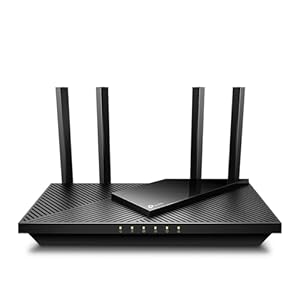
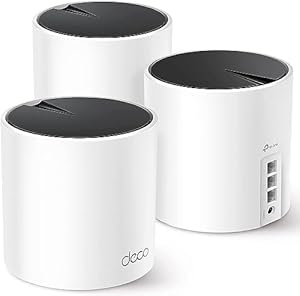
AT&T provides its All-Fi Smart Home Manager gateway with all fiber plans at no additional monthly cost. The All-Fi gateway supports WiFi 6E, which delivers faster wireless speeds and better performance in homes with many connected devices. The gateway also includes built-in security features, parental controls, and the ability to prioritize bandwidth for specific devices. For larger homes, AT&T offers WiFi extenders as optional add-ons.
Verizon Fios Equipment
Verizon Fios includes its latest-generation router with all plans. The Fios router supports WiFi 6 and is designed to handle the demands of modern connected homes. Verizon also offers WiFi extenders for larger homes, which can be added for an additional monthly fee. Like AT&T, Verizon allows customers to use their own compatible router if preferred.
Installation
Both providers offer professional installation and self-installation options for their fiber service. If fiber has not previously been installed at your address, professional installation is typically required to run the fiber line from the street to your home and install the optical network terminal (ONT). Professional installation is generally free for both providers, though scheduling availability may vary. If fiber was previously installed at your address, both providers offer self-installation kits that allow you to set up your connection without a technician visit.
Which Fiber Provider Should You Choose?
Choose AT&T Fiber If:
- You live in one of AT&T's 21 service states outside the Northeast
- You want the fastest available speeds (up to 5 Gbps)
- You prefer AT&T's mid-tier pricing ($65 for 500 Mbps, $80 for 1 Gbps)
- You want WiFi 6E equipment included at no extra cost
- Future-proofing with multi-gigabit speeds is important to you
Choose Verizon Fios If:
- You live in one of Fios's 9 Northeast/mid-Atlantic states
- You want the lowest possible entry price ($50/mo for 300 Mbps)
- You value Verizon's consistently higher customer satisfaction ratings
- You prefer Verizon's multi-gig pricing ($120 for 2 Gig vs AT&T $150 for 2 Gbps)
- You are already a Verizon Wireless customer and want billing integration
Our Verdict
Both AT&T Fiber and Verizon Fios are excellent fiber internet providers — you genuinely cannot go wrong with either one. For most customers, the decision is made by geography: if you live in the Northeast, Fios is your fiber option; if you live in AT&T's service territory, AT&T Fiber is your fiber option.
In the rare areas where both are available, the choice comes down to priorities. AT&T offers better value at the 500 Mbps and 1 Gbps tiers that most households select, plus higher maximum speeds for power users. Verizon Fios offers a lower entry price at 300 Mbps and tends to earn higher customer satisfaction scores. Both deliver the core fiber experience — symmetrical speeds, no data caps, no contracts — equally well.
If you do not have access to either fiber provider, consider checking our guides to best fiber internet providers or best cable internet providers for alternatives in your area.
Frequently Asked Questions
Is AT&T Fiber or Verizon Fios faster?
AT&T Fiber offers faster maximum speeds, with plans reaching up to 5 Gbps compared to Verizon Fios's maximum of 2.3 Gbps. At comparable tiers (300 Mbps, 500 Mbps, 1 Gbps), both providers deliver identical symmetrical speeds with similar real-world performance and latency. The speed difference only matters if you specifically need the 2 Gbps or 5 Gbps tiers that AT&T offers.
Is AT&T Fiber or Verizon Fios cheaper?
It depends on the speed tier. Verizon Fios is cheaper at 300 Mbps ($50 vs $55/mo) and at the multi-gig level ($120 for 2 Gig vs $150 for 2 Gbps). AT&T is cheaper at 500 Mbps ($65 vs $75/mo) and 1 Gbps ($80 vs $90/mo). The mid-range tiers where most customers land favor AT&T on price.
Do AT&T Fiber and Verizon Fios have data caps?
No, neither AT&T Fiber nor Verizon Fios enforces data caps on any fiber internet plan. Both providers offer truly unlimited data usage. Note that AT&T's older DSL/IPBB plans may have data caps, so confirm that you are on a fiber plan specifically.
Do AT&T or Verizon Fios require contracts?
No, both AT&T Fiber and Verizon Fios operate on a month-to-month basis with no annual contracts and no early termination fees. You can cancel at any time without penalty.
Can I get both AT&T Fiber and Verizon Fios at my address?
It is uncommon but possible in certain areas, particularly in parts of Virginia and Maryland where both providers have overlapping service territories. Most addresses in the U.S. will only have access to one of these two fiber providers, if either. Check availability at your specific address using our availability checker.
Which provider has better customer service?
Verizon Fios generally scores higher in customer satisfaction surveys, including the American Customer Satisfaction Index. Both providers offer 24/7 technical support via phone, chat, and mobile app. Both also have retail store locations for in-person support. Customer service experiences can vary by region, so checking local reviews is also worthwhile.
Is fiber internet worth the cost compared to cable?
For most households, yes. Fiber provides symmetrical upload speeds, lower latency, more consistent performance during peak hours, no data caps, and a more future-proof connection than cable. The monthly cost of fiber plans from AT&T and Verizon Fios is comparable to or only slightly higher than cable alternatives, making fiber the better value when available.
What equipment do I need for AT&T Fiber or Verizon Fios?
Both providers include a WiFi router/gateway at no additional monthly cost with all plans. An optical network terminal (ONT) is installed during the initial setup — this is the box that converts the fiber signal for your home network. Beyond the included equipment, no additional purchases are required, though both providers offer optional WiFi extenders for larger homes.
Related Comparisons and Resources
Disclosure: Some of the links and phone numbers on this page are affiliate links, meaning we may earn a commission if you make a purchase or sign up for a service. Our recommendations are based on independent research and testing, and our editorial content is not influenced by advertisers or affiliate partnerships. Learn more about our editorial process.
Data and methodology details are available on our research methodology page. Speeds, prices, and availability are verified against provider websites and FCC broadband data as of 2026.
Sources
This content references data from FCC Broadband Map, U.S. Census Bureau, AT&T Internet, Verizon Fios. Pricing and availability are subject to change.
Market Context
The broadband market concentration in the United States served by providers like AT&T Internet and Verizon Fios varies based on population density and infrastructure investment. According to FCC broadband deployment data, median household income and population density are key factors in service availability and pricing. The BEAD (Broadband Equity, Access, and Deployment) program may expand options in underserved areas of the United States.