AT&T Fiber installation requires a professional technician visit because fiber-optic cables must be physically connected from the network to your home. Unlike cable or DSL, fiber installation involves running a new type of cable—thin glass strands that transmit data as light. This guide walks you through every step of the process so you know exactly what to expect.
Installation Overview
| Detail | Information |
|---|---|
| Cost | Free (included with all plans) |
| Duration | 2–4 hours typical |
| Appointment Window | 2-hour window (AM or PM) |
| Scheduling | Usually within 3–7 days of order |
| Homeowner Presence | Required (18+ adult) |
| Equipment Installed | ONT + WiFi gateway |
Before the Appointment: Preparation Checklist
- Clear the area around your electrical panel. The ONT (Optical Network Terminal) is typically installed near the electrical panel or an exterior wall of your home.
- Decide where you want the gateway. The WiFi gateway should be placed in a central location for the best whole-home coverage. The technician will run a cable from the ONT to the gateway location.
- Ensure access to the exterior of your home. The technician may need to access utility boxes, conduit, or exterior walls.
- Note any existing wiring. If you have previous AT&T service, the technician can potentially reuse existing conduit, speeding up installation.
- Have your account information ready. The technician will verify your identity and account.
- Prepare for drilling. Installation typically requires drilling a small hole through an exterior wall to run the fiber cable inside. Discuss placement preferences with the technician before drilling begins.
What Happens During Installation
Step 1: Exterior Work (30–90 minutes)
The technician runs a fiber-optic cable from the nearest AT&T fiber distribution point (usually a utility pole or underground junction box) to your home. This may involve:
- Running fiber along utility poles or underground conduit
- Drilling a small hole through an exterior wall
- Installing a protective conduit to shield the fiber cable
- Mounting the fiber cable along the exterior of the home to the entry point
Step 2: ONT Installation (15–30 minutes)
The Optical Network Terminal (ONT) is a small box that converts the fiber-optic signal into a standard Ethernet signal your devices can use. The technician mounts the ONT on an interior wall near the cable entry point and connects it to a power outlet.
Step 3: Gateway Setup (15–30 minutes)
The WiFi gateway connects to the ONT via Ethernet cable. The technician places the gateway at your preferred location, powers it on, and configures it. The gateway creates your WiFi network and provides Ethernet ports for wired connections.
Step 4: Testing and Verification (15–30 minutes)
The technician runs speed tests to verify your connection meets the plan’s rated speeds. They will demonstrate the connection, help you connect your primary devices, and walk you through the AT&T Smart Home Manager app for ongoing management.
Equipment You’ll Receive
Optical Network Terminal (ONT)
A small wall-mounted box (roughly the size of a paperback book) that terminates the fiber connection. The ONT requires power and connects to the gateway via Ethernet. If your power goes out, the ONT—and your internet—will go down unless you have a battery backup.
WiFi Gateway (BGW320 or newer)
The gateway serves as your modem and WiFi router in one device. Features depend on your plan tier:
- Internet 300/500: WiFi 6 gateway with 2.4 GHz and 5 GHz bands
- Internet 1000: WiFi 6E gateway adding 6 GHz band for less interference
- Internet 2000/5000: WiFi 7 gateway for maximum wireless performance
Using Your Own Router
AT&T requires the use of their gateway device for fiber service. However, you can configure the gateway in IP Passthrough mode, which effectively turns it into a bridge and lets your own router handle all networking duties. This setup is recommended if you prefer more control over your network or have an existing high-performance mesh system.
To enable IP Passthrough:
- Access the gateway’s admin interface at 192.168.1.254
- Navigate to Firewall → IP Passthrough
- Set Allocation Mode to “Passthrough” and select your router’s MAC address
- Save and reboot both devices
After Installation: First Steps
- Download the AT&T Smart Home Manager app. This app lets you manage your network, run speed tests, set parental controls, and view connected devices.
- Change your default WiFi password. The default password is printed on the gateway but should be changed to something unique.
- Run a speed test. Verify your speeds match your plan on both a wired (Ethernet) and wireless (WiFi) connection.
- Connect all your devices. Reconnect smart home devices, streaming boxes, and computers to the new WiFi network.
- Consider a UPS (battery backup). A small UPS ($50–$100) connected to your ONT and gateway keeps internet running during brief power outages.
Common Installation Issues and Solutions
No Suitable Fiber Path
In rare cases, the technician may not be able to run fiber to your home due to physical obstacles. If this happens, AT&T will schedule a follow-up with a construction crew to create a viable path.
HOA or Landlord Restrictions
If your HOA or landlord restricts exterior modifications, discuss this with the technician before installation begins. FCC regulations generally protect a homeowner’s right to install communications equipment, but specific HOA rules may require advance notification.
Apartment Buildings
In apartments, the fiber may already be wired to a central distribution point. The technician will run cable from that point to your unit. If fiber infrastructure is not in the building, AT&T must coordinate with building management to install it, which can delay service.
Frequently Asked Questions
How long does AT&T Fiber installation take?
Typically 2–4 hours from start to finish. First-time fiber installations at a new address take longer than reinstallations at addresses with existing fiber infrastructure.
Is AT&T Fiber installation really free?
Yes. Professional installation is included at no charge with every AT&T Fiber plan. There are no hidden installation fees.
Do I need to be home for installation?
Yes. An adult (18+) must be present for the entire installation to authorize the work, including drilling and equipment placement decisions.
Will the technician drill holes in my wall?
In most cases, yes. A small hole (approximately 3/8 inch) is drilled through an exterior wall to bring the fiber cable inside. Discuss placement with the technician before drilling to ensure you are comfortable with the location.
Can I move the gateway after installation?
The gateway connects to the ONT via Ethernet cable. You can move it as far as the cable reaches, or you can purchase a longer Ethernet cable. For best WiFi coverage, place the gateway in a central, elevated location. For setup details, see our AT&T Fiber review.
Last updated: March 2026. Installation processes may vary by location. For plan details, see our AT&T plans guide. Check availability at your address. Read our methodology.
Installation Day: What to Wear and Prepare
Installation is straightforward, but a few preparations help everything go smoothly:
- Clear paths to work areas. The technician needs access to the exterior of your home (where the fiber cable enters), the area where the ONT will be mounted, and the location where you want the gateway placed. Clear furniture and obstacles from these paths.
- Decide gateway placement in advance. Think about where you want the WiFi gateway for optimal coverage. Central, elevated locations (living room shelf, home office desk) provide the best whole-home WiFi coverage. The technician can run an Ethernet cable from the ONT to your preferred gateway location.
- Have your devices ready. Prepare your primary devices (laptop, phone, smart TV) so you can connect them during the verification step and confirm everything works before the technician leaves.
- Plan for 2–4 hours. While some installations finish in 90 minutes, first-time fiber installations at addresses without existing fiber infrastructure may take up to 4 hours. Exterior work (running fiber from the street) takes the longest.
Multi-Story Home Considerations
For multi-story homes, gateway placement is especially important because WiFi signal weakens between floors. Options include:
- Central floor placement: Place the gateway on the middle floor for the best vertical coverage to floors above and below.
- Ethernet backhaul: Ask the technician to run Ethernet cable to multiple floors during installation, then connect access points on each floor for whole-home coverage.
- AT&T WiFi extenders: AT&T offers additional WiFi mesh points that integrate with the gateway. These add monthly cost but provide seamless roaming between floors.
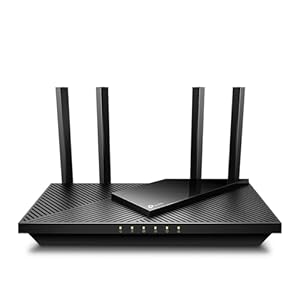
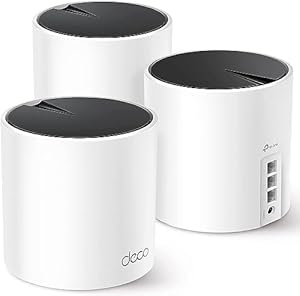
- Third-party mesh: Use the gateway in IP passthrough mode and deploy a mesh system (Google Nest WiFi, eero, etc.) with nodes on each floor for optimal multi-story coverage.
Post-Installation Performance Verification
Before the technician leaves, verify the following:
- Run a wired speed test. Connect a laptop directly to the gateway via Ethernet and run speedtest.net. Speeds should be at or above your plan’s advertised rate.
- Run a WiFi speed test. Test WiFi speeds in 2–3 locations throughout your home to identify any coverage gaps.
- Verify upload speed. Confirm upload speed matches download speed (symmetric) on the speed test results.
- Test latency. Ping results should be 5–15 ms to nearby servers.
- Connect critical devices. Make sure your primary devices (work laptop, smart TV, gaming console) connect successfully to the WiFi network.
- Download the myAT&T app. Set up the app before the technician leaves so they can help troubleshoot any issues.
If speeds are below expected levels, the technician can diagnose the issue on-site—whether it is a gateway placement problem, a fiber splice issue, or an account provisioning error. It is much easier to resolve problems during the initial visit than after the technician has left.
Preparing Your Home for AT&T Fiber Installation
A successful AT&T Fiber installation starts with proper preparation. Before your technician arrives, taking a few steps can help ensure the appointment goes smoothly and your service is activated on the first visit.
Pre-Installation Checklist
- Clear the path to your home's exterior — The technician will need access to the side of your home or building where the fiber line will enter. Move any vehicles, lawn equipment, or debris that could block access to the utility connection point.
- Decide where you want the gateway — AT&T's All-Fi gateway (the combined modem and router) should be placed in a central location for the best WiFi coverage. The technician will run fiber from the exterior to wherever you want the gateway positioned, so choose a spot near an electrical outlet and away from large metal objects or appliances that can interfere with WiFi signals.
- Make sure an adult 18+ is present — Someone must be home during the entire installation. The technician needs interior access and your signature to complete the activation.
- Check for existing wiring — If your home previously had AT&T DSL or U-verse, some of the infrastructure may already be in place, potentially shortening the installation time.
What Happens During the Installation
AT&T Fiber installation typically takes 1-3 hours and follows this sequence:
- Exterior fiber connection (30-60 minutes) — The technician connects the fiber optic cable from the nearest distribution point to your home. This may involve running cable through existing conduit, along the exterior wall, or in some cases, trenching a short distance underground.
- ONT installation (15-30 minutes) — An Optical Network Terminal (ONT) is mounted inside or outside your home. This device converts the fiber optic light signal into an electrical signal your gateway can use.
- Gateway setup (15-30 minutes) — The AT&T All-Fi gateway is connected to the ONT, powered on, and configured. The technician will set up your WiFi network name and password.
- Speed verification (10-15 minutes) — Before leaving, the technician runs a speed test to confirm you are receiving the speeds associated with your plan. For an Internet 1000 plan, you should see close to 1 Gbps on a wired connection.
AT&T Fiber Equipment and Costs
| Equipment | Description | Cost |
|---|---|---|
| AT&T All-Fi Gateway | WiFi 6/6E router + modem combo | Included with all fiber plans |
| ONT (Optical Network Terminal) | Converts fiber signal | Included, installed by technician |
| AT&T Smart WiFi Extender | Mesh WiFi for larger homes | $50-$100 each or included with some plans |
| Professional installation | Standard fiber installation | Free on all plans |
AT&T includes the All-Fi gateway at no extra monthly cost with all fiber plans, unlike Xfinity, which charges $14/mo for its xFi Gateway rental, or Cox, which charges $14/mo for its Panoramic WiFi equipment.
Post-Installation Optimization Tips
Once your AT&T Fiber is installed, optimize your experience with these steps:
- Download the AT&T Smart Home Manager app — This app lets you manage connected devices, run speed tests, set parental controls, and troubleshoot issues without calling customer support.
- Position the gateway centrally — If possible, place the gateway on an upper floor or in the center of your home. WiFi signals travel best downward and outward.
- Use wired connections for critical devices — For gaming consoles, desktop PCs, and streaming boxes, a direct Ethernet connection to the gateway delivers the fastest, most consistent speeds. The AT&T All-Fi gateway has multiple Ethernet ports for this purpose.
- Consider WiFi extenders for large homes — Homes over 2,000 sq ft may benefit from one or more AT&T Smart WiFi Extenders to eliminate dead zones. These create a mesh network that automatically routes devices to the strongest signal.
Frequently Asked Questions
How long does AT&T Fiber installation take?
Most AT&T Fiber installations take 1-3 hours. Homes that have never had fiber service typically take closer to 3 hours, as the technician needs to run new fiber cable from the street to your home. If your home previously had AT&T service with existing conduit, installation may be completed in about an hour.
Is AT&T Fiber installation free?
Yes. AT&T includes professional installation at no charge with all fiber plans. There are no hidden installation fees, activation fees, or setup charges. The All-Fi gateway is also included at no monthly cost.
Can I install AT&T Fiber myself?
No. AT&T Fiber requires professional installation because a technician must physically connect the fiber optic cable to your home and install the ONT. Unlike DSL or cable internet, fiber installation involves specialized equipment and splicing that cannot be done as a self-install.
Will the technician drill holes in my wall?
In most cases, yes. A small hole (about the diameter of a pencil) is drilled to route the fiber cable from the exterior to the interior where the ONT is placed. The technician will discuss placement options with you before drilling and will seal the hole to prevent drafts and moisture.
What if my AT&T Fiber speeds are slower than expected?
Run a speed test using a device wired directly to the gateway via Ethernet. WiFi speeds are always lower than wired speeds due to signal attenuation. If wired speeds are significantly below your plan tier, contact AT&T technical support (available 24/7) to have them remotely diagnose the issue or schedule a technician visit at no charge.
For a full breakdown of AT&T's current internet plans, see our AT&T provider page. You can also compare AT&T Fiber against other fiber providers in our AT&T vs. Frontier comparison or AT&T vs. Xfinity deep dive.