Fiber internet is the fastest and most reliable broadband technology available to consumers, but it is not available everywhere. As of 2026, approximately 57% of U.S. households have access to at least one fiber internet provider—a number that continues to grow thanks to major infrastructure investments from both private companies and government programs.
This guide explains how to check fiber availability at your address, which providers offer fiber in your area, and when fiber expansion may reach underserved regions.
How to Check Fiber Availability at Your Address
There are several reliable ways to determine whether fiber internet is available where you live.
Check Directly with Providers
The most accurate way to check is to visit each fiber provider’s website and enter your address. Major fiber providers with address-level availability checkers include:
- AT&T Fiber — att.com/internet
- Google Fiber — fiber.google.com
- Frontier Fiber — frontier.com
- Verizon Fios — verizon.com/fios
- CenturyLink/Quantum Fiber — quantumfiber.com
- Ziply Fiber — ziplyfiber.com
You can also use our availability checker to see all providers at your address in one search.
Use the FCC Broadband Map
The FCC maintains a national broadband availability map at broadbandmap.fcc.gov. This map shows which technologies (including fiber) are available at every address in the United States. The data is updated regularly based on provider submissions and consumer challenges.
To use the FCC map:
- Go to broadbandmap.fcc.gov
- Enter your full street address
- Review the list of providers and look for “Fiber” under the technology column
- Note that the map may show planned coverage that is not yet active—always verify with the provider directly
Check with Your Local Government
Many cities and counties maintain their own broadband availability databases, particularly those that have partnered with providers on local fiber builds. Your city’s IT or economic development department may have information about current and planned fiber deployments.
Major Fiber Internet Providers by Coverage Area
AT&T Fiber
AT&T has the largest fiber footprint among traditional ISPs, covering parts of 21 states, primarily in the Southeast, Midwest, and Southwest. They offer plans from 300 Mbps to 5 Gbps with symmetric upload and download speeds.
AT&T has been aggressively expanding fiber, adding millions of new locations each year. Their focus is on urban and suburban areas where the density supports the infrastructure investment.
Verizon Fios
Verizon Fios is available in parts of 9 Northeastern and Mid-Atlantic states: Connecticut, Delaware, Maryland, Massachusetts, New Jersey, New York, Pennsylvania, Rhode Island, and Virginia. Fios offers symmetric speeds up to 940 Mbps.
Verizon has largely stopped expanding Fios fiber to new areas, focusing instead on maintaining and upgrading existing service areas. If Fios is available at your address, it is one of the most reliable fiber services available.
Google Fiber
Google Fiber operates in select metropolitan areas including Kansas City, Austin, Nashville, Raleigh-Durham, Salt Lake City, San Antonio, and several others. They offer straightforward pricing with 1 Gbps and 2 Gbps plans.
Google Fiber has resumed expansion after a period of slower growth, announcing new cities and expanding within existing markets. Their coverage is limited to specific neighborhoods within each metro area.
Frontier Fiber
Frontier has invested heavily in fiber upgrades across its 25-state service area, converting legacy DSL infrastructure to fiber. Their fiber plans offer symmetric speeds up to 5 Gbps in some markets.
Frontier’s fiber expansion is particularly noteworthy in areas that previously had only DSL service, bringing gigabit-capable connections to communities that had been underserved.
Regional and Municipal Fiber Providers
Hundreds of smaller fiber providers serve specific regions or cities:
- EPB (Chattanooga, TN): Municipal fiber offering up to 25 Gbps
- Ting Internet: Available in select cities across multiple states
- Sonic: Northern California fiber with a focus on privacy
- US Internet: Minneapolis fiber provider
- Longmont NextLight (Longmont, CO): Municipal gigabit fiber
Municipal fiber providers often offer competitive pricing and strong local customer service. Check whether your city or utility company offers fiber service.
Fiber Availability by the Numbers
Fiber availability has grown steadily over the past decade and accelerated in recent years:
- 57% of U.S. households now have access to fiber internet from at least one provider
- Rural fiber access remains significantly lower, with approximately 28% of rural households having fiber availability
- Urban fiber access exceeds 70% in many metropolitan areas
- The number of fiber subscribers has been growing at roughly 15–18% annually
The gap between urban and rural fiber availability is a primary target of federal infrastructure programs.
BEAD Program: Expanding Fiber to Underserved Areas
The Broadband Equity, Access, and Deployment (BEAD) program represents the largest federal investment in broadband infrastructure in U.S. history. With $42.45 billion allocated, BEAD is funding fiber construction in areas where high-speed internet is currently unavailable or underserved.
How BEAD Works
Each state received a BEAD allocation based on the number of unserved and underserved locations within its borders. States are responsible for selecting projects and distributing funds to ISPs that will build the infrastructure.
BEAD Timeline
Most BEAD-funded construction projects are expected to begin in 2025–2026, with completion targets of 2028–2030. The program prioritizes fiber technology, meaning most BEAD-funded builds will deliver fiber-to-the-home connections.
States with Significant BEAD Allocations
- Texas: $3.3 billion
- California: $1.86 billion
- Virginia: $1.48 billion
- Louisiana: $1.36 billion
- Missouri: $1.07 billion
If fiber is not yet available at your address, check your state’s broadband office website for information about planned BEAD-funded projects in your area.
What to Do If Fiber Is Not Available Yet
If fiber has not reached your area, several alternatives provide competitive broadband speeds:
- Cable internet: Widely available with speeds up to 1–2 Gbps (though with slower upload speeds)
- 5G home internet: T-Mobile and Verizon offer fixed wireless service with speeds of 50–300 Mbps in many areas
- Satellite internet: Starlink offers 25–100 Mbps in rural areas with no other broadband options
Explore our guides to the best fiber providers and best satellite internet options for detailed comparisons.
How to Prepare for Fiber When It Arrives
If fiber is coming to your neighborhood, prepare your home to take full advantage:
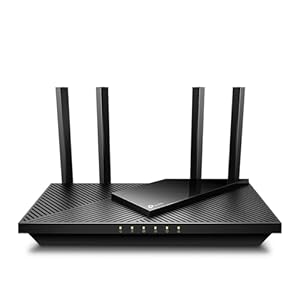
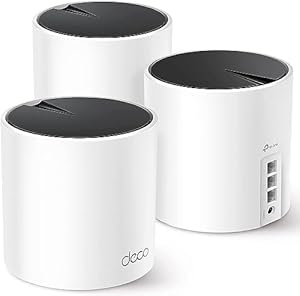
- Upgrade your router: Use a WiFi 6 or WiFi 6E router to handle gigabit speeds over wireless
- Run ethernet to key rooms: Gigabit fiber benefits most from wired connections to your primary devices
- Review your plan needs: Consider how much speed you actually need—many households find 300–500 Mbps sufficient
Understanding Fiber Technology Types
Not all "fiber" internet is the same. When checking availability, it is important to understand what type of fiber connection you are actually getting, as this significantly impacts your experience:
Fiber-to-the-Home (FTTH): The gold standard. A dedicated fiber optic cable runs directly from the provider's network to an Optical Network Terminal (ONT) inside or outside your home. FTTH delivers the highest possible speeds (up to 10 Gbps) with the lowest latency (1–5 ms). Providers offering true FTTH include AT&T Fiber, Verizon Fios, Google Fiber, Frontier Fiber, and most municipal fiber networks.
Fiber-to-the-Node (FTTN): Fiber runs to a neighborhood node (often a street cabinet), then uses existing copper telephone lines for the final connection to your home. This hybrid approach limits speeds to 25–100 Mbps and introduces higher latency. AT&T's legacy U-verse service and some CenturyLink (now Quantum Fiber) connections use FTTN. If a provider advertises "fiber" but only offers speeds up to 100 Mbps, it is likely FTTN rather than true FTTH.
Fiber-to-the-Building (FTTB): Common in apartment buildings and condos. Fiber runs to the building's equipment room, then existing copper or coaxial wiring distributes service to individual units. Speeds typically max out at 500 Mbps–1 Gbps depending on the in-building wiring quality. Most urban Verizon Fios and AT&T Fiber apartment installations are FTTB.
Fiber-to-the-Curb (FTTC): Fiber terminates at a utility pole or pedestal near your home, with copper or coaxial covering the final 100–500 feet. Performance falls between FTTH and FTTN, typically supporting 100–500 Mbps.
Fiber Availability by State: Top 10 and Bottom 10
Fiber availability varies enormously across the United States. The following data is based on FCC Form 477 filings and BroadbandNow analysis as of January 2026:
Top 10 states by fiber availability (% of households with FTTH access):
- Utah — 82% (driven by Google Fiber and Utopia municipal network)
- Rhode Island — 78% (Verizon Fios covers most of the state)
- New Jersey — 76% (Verizon Fios + Optimum Fiber)
- Florida — 73% (AT&T Fiber + Frontier Fiber aggressive buildout)
- Texas — 71% (AT&T Fiber dominance in metro areas)
- New York — 70% (Verizon Fios in NYC metro + Frontier upstate)
- Virginia — 69% (Verizon Fios + Cox fiber upgrades)
- Massachusetts — 67% (Verizon Fios + municipal networks)
- Connecticut — 66% (Frontier Fiber expansion)
- Tennessee — 65% (AT&T Fiber + EPB Chattanooga municipal)
Bottom 10 states by fiber availability:
- Montana — 18%
- West Virginia — 21%
- Alaska — 22%
- Wyoming — 24%
- South Dakota — 26%
- North Dakota — 27%
- New Mexico — 29%
- Mississippi — 31%
- Arkansas — 33%
- Maine — 34%
Low-availability states tend to share common characteristics: large geographic areas with low population density, limited existing infrastructure investment, and challenging terrain (mountains, remote areas). BEAD funding is specifically targeted at these underserved states.
Municipal Fiber: A Growing Alternative
Municipal fiber networks—owned and operated by city or county governments—have emerged as a compelling alternative to commercial providers in many markets. As of 2026, over 750 communities in the United States offer some form of municipal broadband, with approximately 300 providing FTTH service.
Notable municipal fiber success stories include:
- EPB (Chattanooga, TN): The first municipal provider to offer 10 Gbps residential service. Consistently rated the #1 ISP in customer satisfaction nationwide. $67.99/mo for 1 Gbps.
- Longmont NextLight (CO): 1 Gbps for $49.95/mo with no contract. Over 70% take rate (percentage of passed homes that subscribe), far above the industry average of 35–40%.
- Utopia Fiber (UT): An open-access network serving 11 cities in Utah. Multiple ISPs compete over the same municipal fiber infrastructure, driving prices as low as $35/mo for gigabit service.
- Huntsville Utilities (AL): Open-access model similar to Utopia. Google Fiber, AT&T, and local ISPs all offer service over the city-owned fiber network.
To check if your community has or is planning municipal fiber, visit MuniNetworks.org or contact your city's public utilities department. Many municipal fiber projects are funded through revenue bonds that require voter approval, so attending city council meetings and voting for broadband referendums can directly influence whether fiber comes to your area.
Fiber vs. 5G Home Internet: Which Should You Choose?
As fiber expands, so does 5G home internet from T-Mobile and Verizon. If both are available at your address, fiber is almost always the better choice for the following reasons:
- Consistency: Fiber delivers the same speed at 3 PM and 9 PM. 5G home internet speeds fluctuate based on tower congestion, weather, and your distance from the tower. Typical range: 30–300 Mbps with wide variance.
- Latency: Fiber: 1–5 ms. 5G: 15–40 ms. This matters for gaming, video calls, and smart home responsiveness.
- Upload speeds: Fiber is symmetric (upload = download). 5G upload speeds are typically 10–30 Mbps regardless of download speed.
- Data priority: 5G home internet is deprioritized below mobile phone customers during congestion. Fiber has no such limitation.
The one scenario where 5G home internet may be preferable: if the only fiber option in your area is expensive (over $80/mo for gigabit) and your usage is modest (streaming, browsing, light work-from-home). T-Mobile's $50/mo and Verizon's $35–50/mo 5G plans are genuinely good values for light-to-moderate users willing to accept variable performance.
Frequently Asked Questions
How do I know if fiber is coming to my area?
Check with local ISPs for expansion plans, review your state’s BEAD broadband plan, and monitor the FCC broadband map for updates. Many providers announce expansion areas months before construction begins. Your city council or broadband office may also have information about planned fiber projects.
Is fiber internet worth the cost?
For most households, yes. Fiber offers the fastest speeds, lowest latency, most reliable connections, and symmetric upload speeds that cable cannot match. Monthly costs are often comparable to cable at the same speed tiers, and many fiber plans have no data caps.
Can I get fiber internet in a rural area?
Fiber availability in rural areas is growing but still limited. Approximately 28% of rural households have fiber access. BEAD-funded projects will significantly expand rural fiber over the next 3–5 years. In the meantime, Starlink satellite or fixed wireless may be your best high-speed options.
How fast is fiber internet?
Consumer fiber plans typically range from 300 Mbps to 5 Gbps, with symmetric upload and download speeds. Most fiber customers choose 1 Gbps plans, which provide more than enough bandwidth for a household with multiple heavy users simultaneously streaming, gaming, and video conferencing.
Does fiber internet require special equipment?
Fiber connections require an Optical Network Terminal (ONT) installed on the outside of your home, which your ISP provides during installation. From the ONT, a standard ethernet cable connects to your router. You do not need a special router for fiber, though a WiFi 6 router is recommended to get the most from gigabit speeds.
How long does fiber installation take?
A typical fiber installation takes 2–4 hours. The technician installs the ONT, runs fiber cable from the street to your home (if not already in place), and connects the ONT to your router. Underground installations may require a separate trenching appointment before the main installation.
Sources & Methodology
This article uses data from FCC Broadband Data Collection reports, U.S. Census Bureau demographics, and verified provider pricing and plan information. Pricing, speeds, and availability are verified against provider broadband nutrition labels and may vary by location. For a detailed explanation of our data collection and scoring process, see our methodology page.
Data Sources
- FCC Broadband Data Collection
- U.S. Census Bureau American Community Survey
- USAC Universal Service Fund
- NTIA Internet Use Survey
Last verified: March 2026. InternetProviders.ai is an independent resource. We may earn commissions from partner links — this does not affect our editorial recommendations. See our methodology for details.